
It’s a worrying trend that’s spreading across the country: nearly three quarters of British mobile gamers are showing a disturbingly high level of brand loyalty, sticking to the same handful of games for months on end. This phenomenon is particularly evident in major metropolitan areas like London and Manchester, where gamers seem to be clustered in their devotion.
High-End Engagement
Some players are spending an astonishing 10 hours or more per week within a single title, often at the expense of their relationships and daily routines. This dedicated subset of gamers tends to be male, aged between 18 and 35, and earning a modest income of around £20,000 to £30,000 per year.
Why the Devotion?
So, what’s behind this intense loyalty? While it’s impossible to pinpoint a single reason, several factors are contributing to the trend. For one, many popular mobile games offer in-app purchases that provide an ongoing stream of new content and rewards, encouraging players to keep coming back. Social pressure from friends and online communities also plays a significant role, with players feeling compelled to keep up with their peers and avoid being left behind. For those seeking an even more immersive experience, the lines between mobile gaming and online gaming can become increasingly blurred.
The Cost of Addiction
The consequences of excessive gaming are far from trivial. Research suggests that prolonged mobile gaming can lead to social isolation, decreased productivity, and even cognitive decline. In extreme cases, it can also contribute to depression, anxiety, and other mental health issues.
Mobile Gaming Trends in the UK Reveal Unsettling Loyalty Patterns Nationwide
According to recent surveys, nearly 75% of British mobile gamers show a disturbingly high level of brand loyalty, sticking to the same handful of games for months on end. This phenomenon is evident across the country, with the most devoted fans clustering around major metropolitan areas like London and Manchester.
High-End Engagement
In some cases, players are spending upwards of 10 hours per week within a single title, often to the detriment of their real-world relationships and daily routines. This dedicated subset of gamers is more likely to be male, aged between 18 and 35, and earning a relatively modest income – £20,000 to £30,000 per annum.
Why the Devotion?
While it’s impossible to pinpoint a single reason for this intense loyalty, several factors contribute to the trend. Firstly, many popular mobile games offer in-app purchases, providing an ongoing stream of new content and rewards that encourage repeat visits. Secondly, social pressure from friends and online communities plays a significant role, with players feeling compelled to keep up with their peers and avoid being left behind.
The Dark Side of Mobile Gaming
While the UK gaming industry is estimated to be worth over £4 billion annually, the consequences of excessive gaming are far from trivial. Research suggests that prolonged mobile gaming can lead to social isolation, decreased productivity, and even cognitive decline. In extreme cases, it can also contribute to depression, anxiety, and other mental health issues.
A National Concern
As the UK’s National Health Service (NHS) continues to grapple with rising mental health caseloads, policymakers are beginning to take notice of the correlation between mobile gaming and adverse psychological effects. Experts recommend implementing stricter regulations on in-app purchases, promoting healthier gaming habits, and providing accessible resources for vulnerable gamers.
Velo bet: A Natural Extension of Gaming Culture
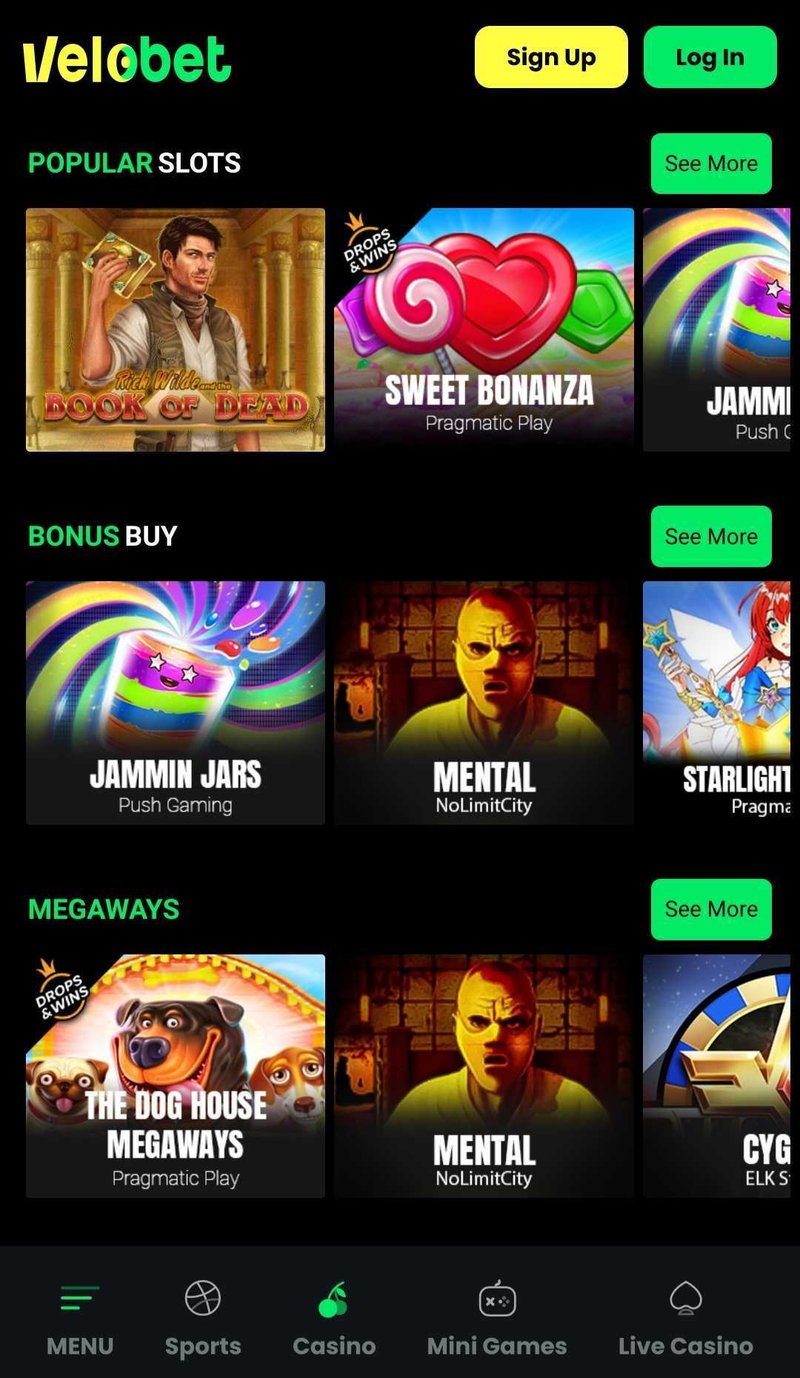
For many enthusiasts, the excitement of mobile gaming is only matched by the thrill of online gaming and casino experiences, such as Velo bet, which offers a chance to take their skills to the next level and potentially win big. While it’s essential to maintain a balanced approach to gaming, the connection between mobile and online experiences is undeniable – many gamers seamlessly transition between platforms, seeking the next challenge or prize. With the UK’s gaming industry showing no signs of slowing down, it’s crucial to address the darker aspects of this cultural phenomenon and promote responsible gaming practices nationwide.
Breaking the Cycle
As the UK’s mobile gaming landscape continues to evolve, it’s essential to acknowledge the underlying issues driving these unsettling loyalty patterns. By fostering a more nuanced understanding of the gaming experience and its consequences, we can work towards creating a healthier, more sustainable environment for enthusiasts and newcomers alike. Only by confronting the challenges head-on can we unlock the full potential of this billion-pound industry and ensure that gaming remains a positive force in British culture.
Frequently Asked Questions
What percentage of British mobile gamers show brand loyalty?
Nearly three quarters of British mobile gamers show a high level of brand loyalty.
What cities in the UK exhibit this loyalty phenomenon the most?
Major metropolitan areas like London and Manchester are particularly notable for this trend.
